


Directory of sustainable products longtime®
Are you looking for a reliable, repairable product? Tous les produits de cet annuaire sont conçus par des fabricants engagés dans la durabilité et certifiés LONGTIME®
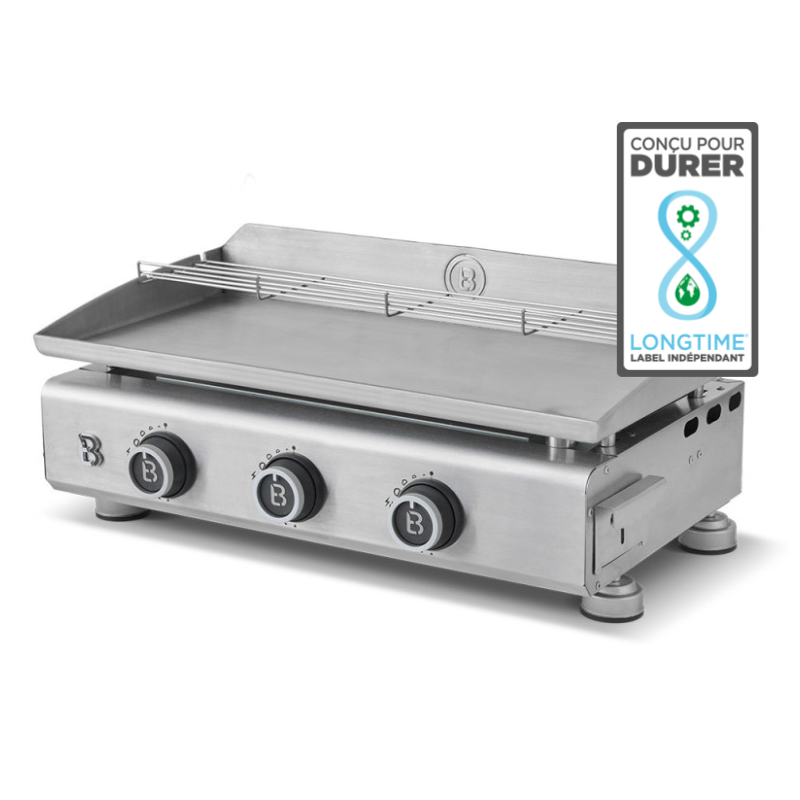
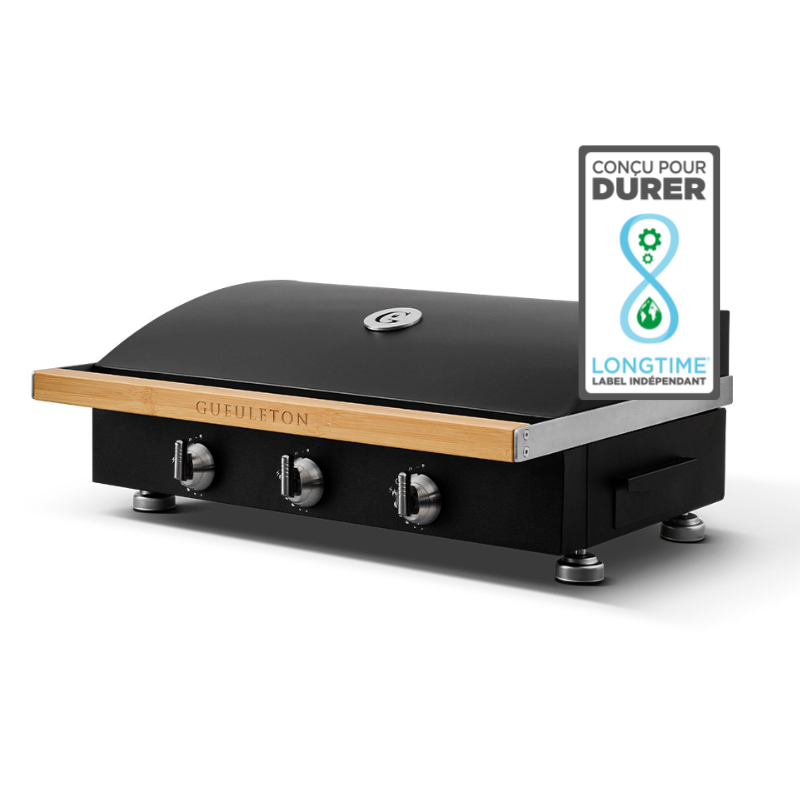
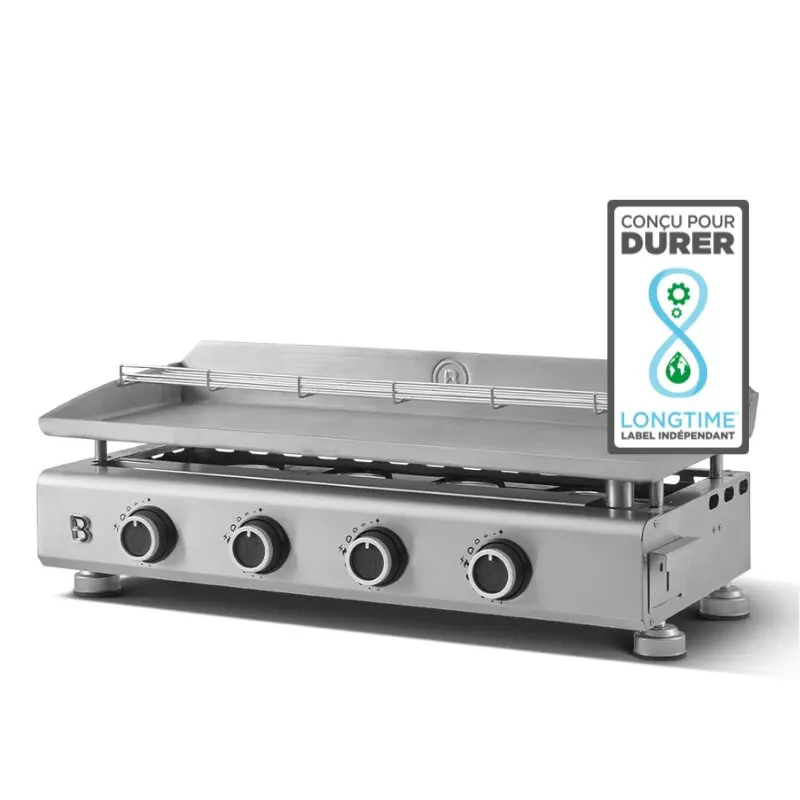


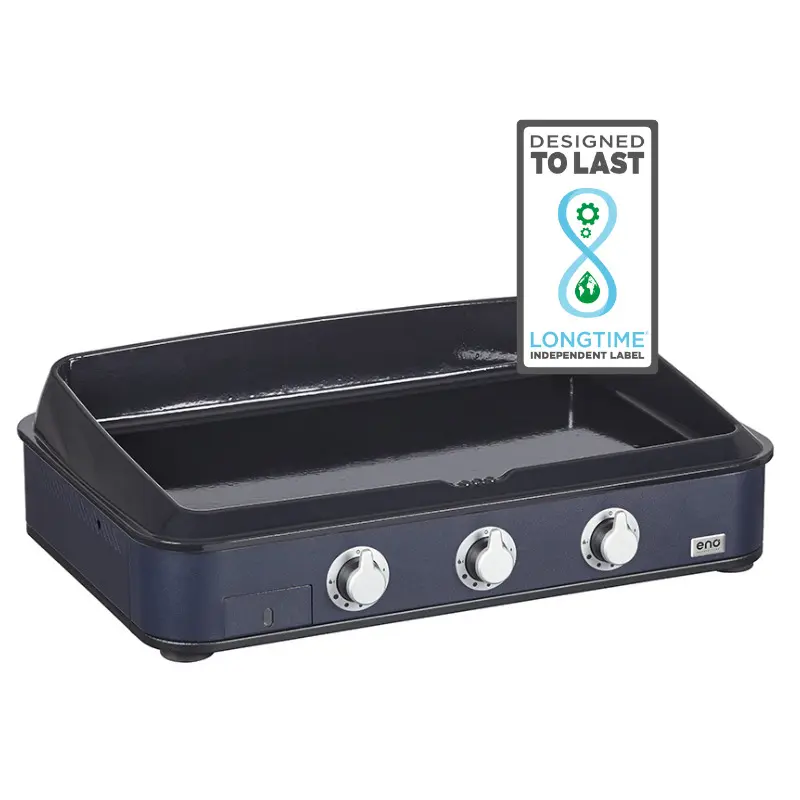

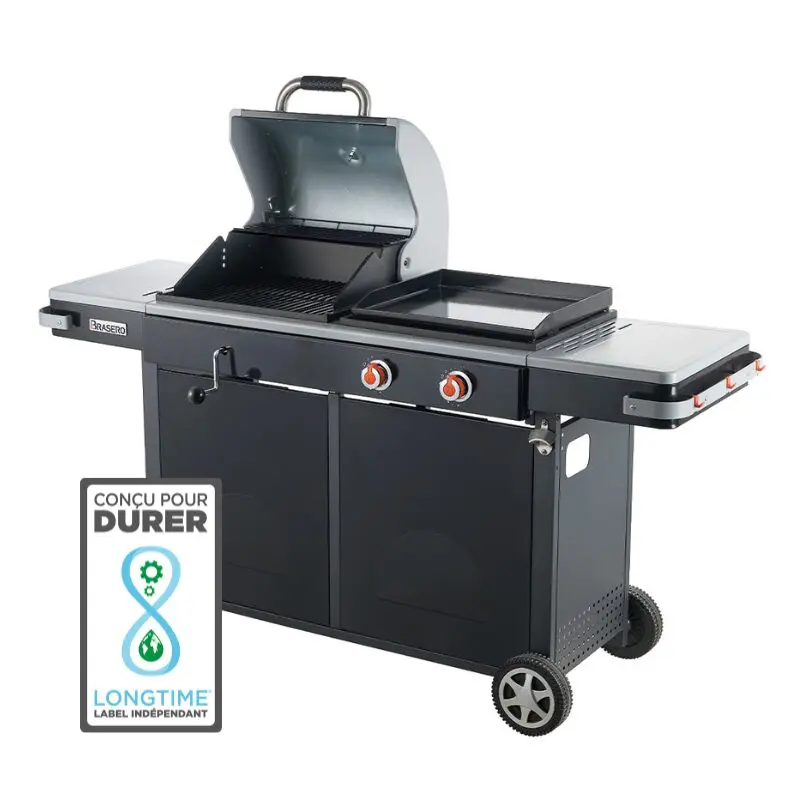
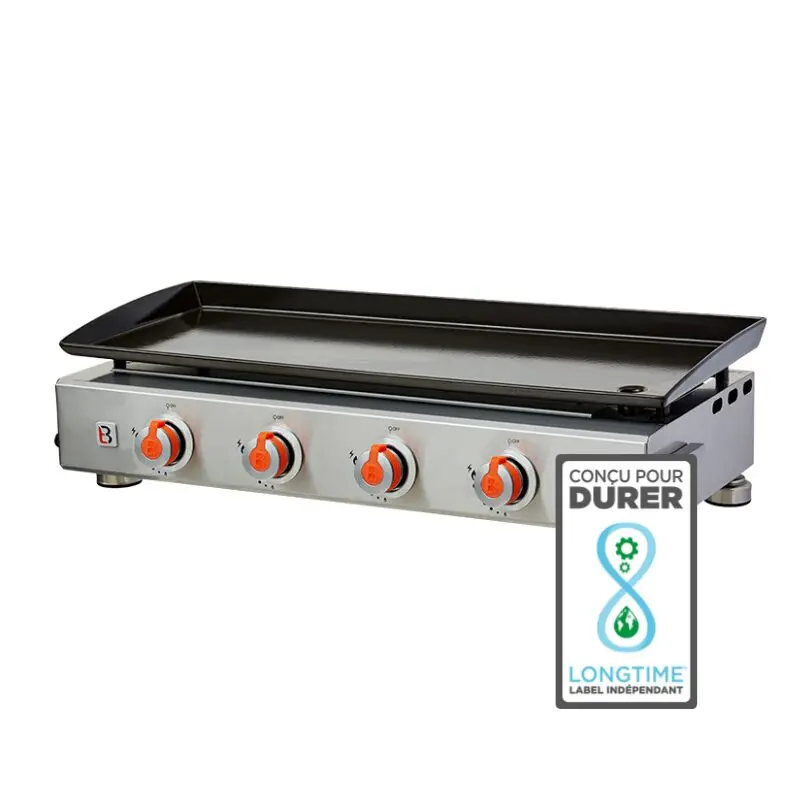
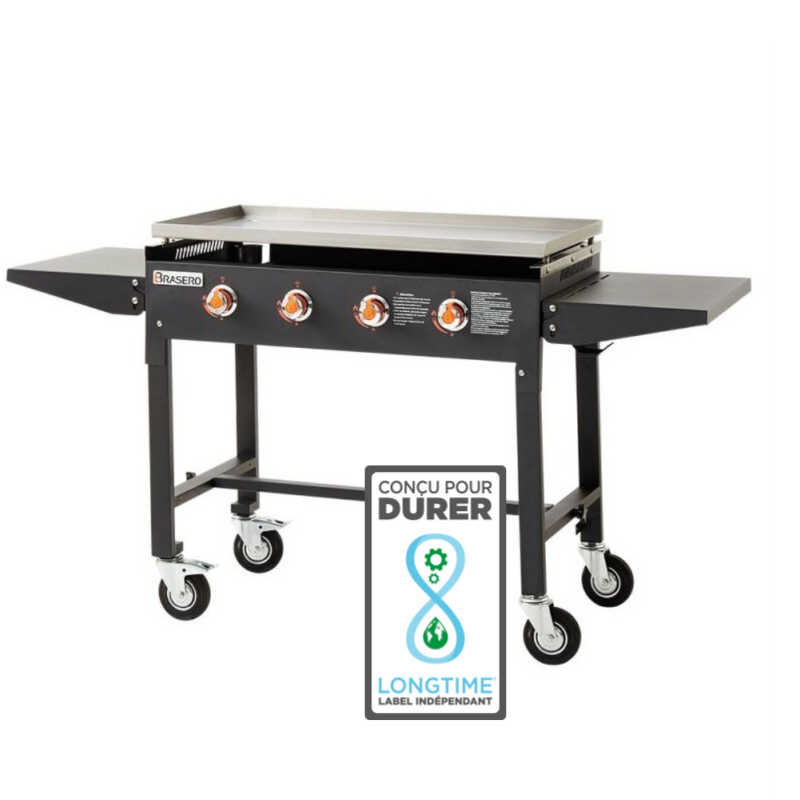


What is a sustainable product?
Définition d’un produit durable
A durable product is one that is reliable, robust and repairable, with a high level of longevity; a break with organized obsolescence.
First and foremost, as sustainability is context-dependent, it is important to fully understand that the term ‘sustainable’ refers here to the robustness and longevity of the object and not to its English equivalent ‘sustainability’, which means ‘responsible’ socially or ethically speaking… in France, ‘durable’ can also refer to the concept of “sustainable development”.
A product that is sustainable, with an extended lifespan, is less prone to breakdowns than a product conventional and offers greater repairability. It must also offer excellent maintenance and servicing conditions, as well as efficient after-sales service or technical support. Last but not least, the guarantees for a durable product must be beyond reproach, and even exceed the minimum legal requirements.
You will often notice that the lifespan of the “sustainable product” is not indicated. That’s because it’s not easy to measure or quantify. This factor varies enormously depending on the conditions under which the product is used (place of use, frequency, user level, etc.).
A fine example of sustainable products are those bearing the LONGTIME® label. These have met a set of strict specifications comprising 38 criteria, centred on the robustness of design, repairability and the guarantees of after-sales service, enabling an assessment of sustainability in its entirety.
What are the criteria for making a sustainable product?
Although the regulations are changing, there is no single standard for a ‘sustainable product’ ’. Sustainability, in the sense of reliability and repairability or in the sense of sustainable development is a claim regarding the environment. In this respect, advertisers should comply with certain rules on communication this is is not the case in more than one case out of every two.
The criteria for the manufacture of a product bearing the claim ‘Sustainable’ (this also applies to ‘repairable’) may therefore vary from ’one advertiser to another, from one product to another. However, to distinguish a product that is genuinely designed to last from a misleading marketing claim, there are some indications.
The product must be robustly designed and highly repairable. To achieve this, the manufacturer :
- Choose robust materials that are suitable for the conditions in which they will be used.
- Uses reliable, high-quality technologies (technologies with no known ‘weaknesses’ and which can be repaired or replaced in the event of a breakdown).
- Choisit des parties maîtresses qualitatives (par exemple, les résistances de chauffe, les composants électroniques…). Without these parts, the product cannot function. So they have to be of the highest quality!
- Uses few sub-assemblies in product design (set of inseparably connected components forming a block).
- Designs its products with a view to making them easy to repair and encourages maintenance.
You should also trust your instincts when it comes to quality and try the product out for yourself.
Finally, the price is a good indicator. Outside of sales periods, it is actually quite rare to find durable products in extremely low price ranges.
Whilst durability and reparability are the key characteristics of a product designed to last, there are times when a choice must be made between the two. Imagine a mobile phone with an unbreakable screen that is very difficult to repair, if at all. The manufacturer cannot justify the screen’s high reparability; however, by choosing to make it unbreakable, their decision is not a bad one. Do consumers not prefer products that do not break down, rather than those that are highly repairable but unreliable? That said, it is best if the product is also repairable.
Durability also varies enormously from one product category to another. We don’t study the durability of household appliances (refrigerators, blenders, etc.) in the same way as we study the durability of digital devices (telephones, computers, televisions, etc.). This is done on a case-by-case basis, so be well informed about the product you wish to buy. At LONGTIME®, we draw up durability identity cards for each product family we label, based on feedback from repairers and users. This makes it possible to identify specific product vulnerabilities and areas for improvement. That way, we’re sure to be as precise as possible!
Don’t hesitate to consult our buying guides – we’ve already studied the durability of certain product families so you don’t have to, so you’ll have everything you need to make a sustainable, ecological and safe purchase.
A durable product is not infallible, but its total lifespan is superior to that of other products. That’s why “sustainable product” doesn’t necessarily mean “zero waste” (although that’s not a contradiction in terms), but rather that the product makes optimum, rational use of the resources used in its manufacture. Sustainable products must also meet end-of-life management criteria.
For example, LONGTIME®-labeled products must provide proof of accessibility to the following components product internals, and avoid sub-assemblies (i.e. “blocks” of parts sealed together). This enables components to be separated and recycled. It must also provide the technical documentation needed to recover and recycle spare parts.
Why is a sustainable product better for the environment?
A product that is sustainable, that is to say, a product which is both reliable and repairable, offers several benefits for the environment. Purchasing sustainable products is an act of responsible consumption. Here are a few reasons why sustainable sustainable products are better for the planet:
Saving resources
The manufacture of new products requires some natural resources such as raw materials a9> raw materials and energy. By extending the lifespan of existing durable goods, we reduce the demand for new resources, this which helps to conserve the resources natural. In fact, we consume enormous amounts of raw materials to meet our needs or desires. These raw materials natural and unprocessed such as minerals, oil, wood, cotton, the cotton…and many others make up the eco-friendly backpacks of our products.
Reduction in waste generated prematurely
Sustainable products have a longer lifespan, which means they end up in landfill less quickly. This reduces the amount of electronic waste and other waste that needs to be managed and processed. The production and disposal of electrical and electronic equipment can lead to various types of pollution, including air, water and soil pollution. By reducing demand for new products, we also reduce the pollution associated with the end of a product’s life.
Reducing carbon emissions
The production of new products generates greenhouse gas emissions. By using our products for longer, we reduce the need to manufacture new appliances, thereby cutting the carbon emissions associated with manufacturing. Developing best practices in production and making more responsible consumer choices helps to better protect the environment and, consequently, our health and that of ecosystems.
Promoting the circular economy
Sustainable and repairable products promote the circular economy, where products are designed to be reused, repaired and recycled. This creates a more sustainable system in which resources are used efficiently and waste is minimised. It also generates business for the repair and reuse sectors, whilst encouraging companies to improve their production methods.
Ensuring our equipment lasts longer is the most effective way of reducing its environmental impact. For example, extending the lifespan of a device, such as a tablet or computer, from 2 to 4 years improves its environmental footprint by 50 per cent; this is an environmentally responsible practice. (Source: ADEME, *The Hidden Side of Digital Technology*).
A sustainable product is not flawless, but its overall lifespan is longer than that of other products. This is why ‘sustainable product’ does not necessarily mean ‘zero waste’ (although the two are not mutually exclusive); rather, it means that the product is the result of the optimal and rational use of the resources required for its manufacture.
What are the advantages of buying sustainable products?
Tout d’abord, vous savez que vous achetez un objet robuste, fiable et réparable. That’s something, isn’t it? Fewer unexpected breakdowns, less stress.
Although sustainable products may sometimes be more expensive to buy, they offer long-term savings by reducing the frequency of replacements. This also encourages consumers to invest in higher-quality products, which is beneficial both for their wallets and for the environment.
S’équiper de produits robustes permet d’amortir ses achats et de faire des économies en évitant des remplacements fréquents. Les ménages modestes sont souvent les premiers touchés par l’obsolescence, car ils ont tendance à acheter des produits d’entrée de gamme par nécessité, qui sont souvent moins réparables et moins durables.
Finally, bear in mind that a sustainable product retains a higher residual value on the second-hand or refurbished market – and, more generally, on the second-hand market – should it be resold.
What is the link between a sustainable product and the repair sector?
When you buy a sustainable product, you are usually buying a product that has been designed to be repairable. This means that it will be easy to take apart, that spare parts will be available, and that repairs can be carried out without the need for specialised tools or advanced technical skills (depending on the product).
En outre, cette conception favorise le secteur de la réparation en rendant les interventions plus simples et moins coûteuses.Cela signifie qu’en cas de défaillance, vous vous laissez l’opportunité d’allonger la durée de vie de votre produit.
Furthermore, the repair sector creates local, specialised jobs. Repair technicians, spare parts shops and home repair services benefit from the increased demand for repairable products. This contributes to the local economy and job creation.
The link between a sustainable product and the repair sector is symbiotic. Durable products encourage repair, which extends their lifespan, reduces waste, creates jobs and supports a more circular economy. In turn, the repair sector makes durable products more attractive to consumers and encourages more sustainable behaviour.
How do I find a sustainable product?
To find a sustainable product, you can simply look for products bearing the LONGTIME® label.
As with food, a simple way of identifying a responsible product is to pay close attention to labels and other sales information. For example, the organic label provides certain indications; the same applies to consumer goods. Labels provide information on all the sustainability and repairability criteria discussed above, as well as on after-sales guarantees (and maintenance recommendations, which are essential).
Warranties that go beyond the statutory guarantee of conformity (24 months) are a sign of credibility, as they demonstrate that the manufacturer is confident in the durability of their product. Labels verified by an independent third party (which is the very least that should be expected!) also lend credibility to the claims made by the manufacturer and/or distributor. This is because these claims have been verified by an independent and impartial inspection body.
The jungle of eco-labels is enough to make you tear your hair out, so you can rely on those that are independent (separate from the organisation being labelled) and verified by a third party. On the other hand, be wary of self-declared labels – that is, those created by the company and awarded by… the company itself!
Pour savoir si un bien est durable, il est également nécessaire d’analyser son potentiel à long terme. When analyzing labels, product sheets and/or customer reviews, durability features should always be your top priority. Beware of impulse buying, driven by attractive prices. Pay attention to the communication used (the words you choose!) and take the time to read the technical documentation. In short, adopt a thoughtful attitude.
Read reviews from previous customers and find out about their experiences. These are often the most impartial and honest accounts. Ask people you know for recommendations on reliable properties, or check out social media groups.
Repairability and Durability Index
In France, one indicators of repairability A rating system ranging from 0 to 10 has been introduced for around ten product categories. During 2024, a durability index will replace this index.
The European Union is also in the process of revising the directive relating to the eco-design of products in order to propose a sustainability index …which is enough to make you lose your mind!
Where can I buy a sustainable product?
Environmental considerations are becoming increasingly important.
Today, the majority of brands have the ambition to position themselves as “responsible”, if this is not already the case. As a result, sustainable products can be found just about everywhere.
Consult manufacturers’ websites directly. Those who position themselves as “virtuous”, but also those who are not recognized as such. The latter surely have a “Sustainable” or “Responsible” range. See also distributors’ websites.
There are directories of sustainable products (each site has its own criteria, so be sure to identify them). This is the case with the LONGTIME® label; you can find the directory above.
In your traditional points of sale: at committed distributors like l’Entrepôt du Bricolage, or directly from the manufacturers. Today’s stores offer a wide range of products, so once again, rely on the recommendations discussed above to find sustainable products.
If you don’t want to spend money unnecessarily, you also have a big part to play in the lifespan of your product. Outre les démarches vertueuses mises en place par le fabricant, l’utilisation et l’entretien du produit est très importante. It’s worth remembering that, on average, 50% of breakdowns are due to operating or maintenance faults.
How much does a sustainable product cost?
It is perfectly reasonable to ask about the price of a sustainable product, and we’re going to debunk that myth a little. Just because a product is sustainable does not necessarily mean it is always more expensive than others.
It is necessary to find a good balance between quality, price and lifespan.
If the price of a product that is ‘disposable’ seems attractive to you, just imagine the frustration when it breaks down for good (with no possibility of an affordable repair) or becomes subject to planned obsolescence (for example, the inability to update the software). Conversely, do not buy blindly on the pretext that the product is a branded one.
When choosing an item to buy, it is essential to assess your needs and how useful it will be to you.
- Do you really need a function that is connected to your cooker hood?
- Do you really need an computer with a dual temporal vortex ultragamer to do just a little bit of word processing?
- Do you really need a ride-on mower for a 400-square-metre garden?
You get the idea. Better a screwdriver with a good electric motor and no laser, no level, no percussion than a screwdriver with the latest options but a low-cost electric motor.
By choosing a product that is precisely tailored to your needs and avoiding unnecessary extras, you can invest the difference in a product that may have fewer features or be less powerful, but which will meet your needs whilst offering better quality.
And rememberthat, basedon the principle that you can keep your item in good condition for a long time, you do not need to replace it frequently. In the long term, the savings are guaranteed.
For one-off use, consider hiring. It is rarely cost-effective to buy entry-level products, often vulnerable to disuse (prolonged inactivity of the appliance leading to damage) and not very inclined to do a good job.
If you’re looking for something that can handle heavy use but are on a tight budget, go for a sturdy second-hand product that can cope with the workload. The icing on the cake is that you might even be able to sell it on without losing much money! (No need to thank us!)
In summary
The idea is to buy something that you value and look after. That way, you’ll be more motivated to make it last, and you’ll get the most out of your purchase.
To be absolutely certain, check out our directory (link) for yourself. The products LONGTIME® aimed at private individuals do not have exorbitant prices, yet they are high-quality.
The label is not awarded on the basis of price or brand awareness: a very expensive product or one from a very well-known brand is unfortunately not always a guarantee of sustainability. However, beware of low-priced products: everything has a cost below which it’s not possible to acquire a reliable, repairable product.
The main aim of the LONGTIME® initiative is to highlight products that offer good value for money in terms of durability and to protect consumers from disposable products, which erode purchasing power in the long term. Our aim is also to make consumers aware of the importance of maintaining and repairing the products they buy.